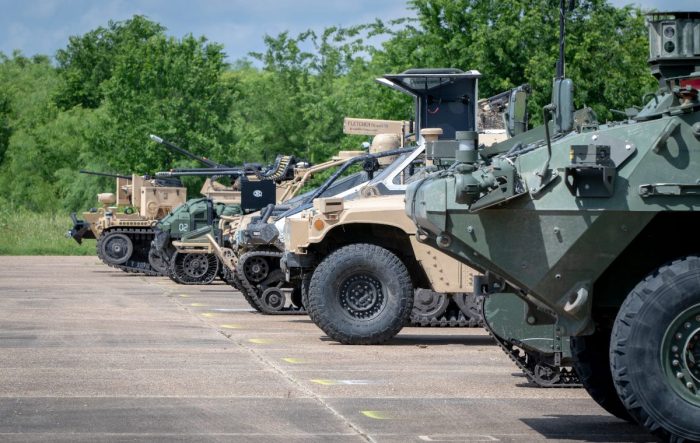
Next-gen combat vehicles are at the forefront of transforming military operations, seamlessly incorporating cutting-edge technologies that enhance capabilities and operational efficiency. With advancements in artificial intelligence, these vehicles not only adapt to the dynamic battlefield but also redefine the strategies of modern warfare.
From automated systems to innovative armaments, the integration of sophisticated technologies marks a significant leap in how ground forces engage in combat. These vehicles promise not just improved strength and resilience but also strategic advantages that can shift the tide of conflict.
Next-Gen Combat Vehicle Technologies
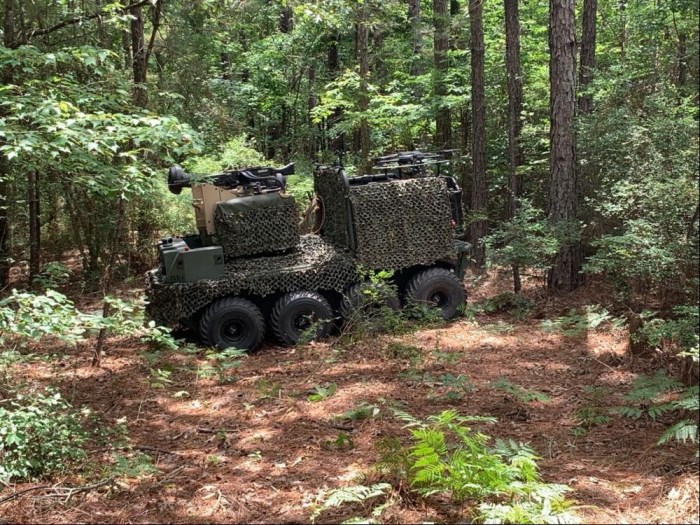
Next-generation combat vehicles (NGCVs) are at the forefront of military innovation, integrating cutting-edge technologies that enhance their operational capabilities. These vehicles are designed not only for traditional combat scenarios but also for complex, multi-domain operations. The evolution of these technologies is transforming the battlefield, ensuring that armed forces maintain a tactical advantage over adversaries.Artificial intelligence (AI) plays a pivotal role in the development and functionality of NGCVs.
By enabling autonomous decision-making and real-time data analysis, AI significantly enhances vehicle capabilities, allowing for improved situational awareness, threat detection, and mission planning. This integration allows for a level of responsiveness that is crucial in fast-paced combat environments. AI algorithms facilitate the processing of vast amounts of data from sensors, helping operators to make informed decisions quickly.
Advanced Technologies in Combat Vehicles
The integration of advanced technologies into next-gen combat vehicles is essential for maximizing their effectiveness. This section delves into several key innovations that define modern combat vehicles.
- Autonomous Systems: Autonomous vehicles are equipped with advanced navigation systems, allowing them to operate without direct human control. These systems can conduct reconnaissance missions and engage in combat operations, reducing risks to personnel.
- Hybrid Power Systems: The use of hybrid propulsion technology enhances fuel efficiency and reduces the logistical burden of fuel supply on the battlefield. These systems enable stealthier operations and extend the operational range of combat vehicles.
- Advanced Sensing and Situational Awareness: Next-gen vehicles are outfitted with a network of sensors, including cameras, radar, and LIDAR, which provide comprehensive situational awareness. This technology enables vehicle crews to detect threats from longer distances and respond proactively.
The development of armaments and defense systems is equally crucial in shaping the future of combat vehicles.
Innovations in Armaments and Defense Systems
Modern combat vehicles are equipped with advanced armaments and defense technologies that enhance their combat effectiveness and survivability. The following innovations are noteworthy.
- Active Protection Systems (APS): APS use sophisticated sensors to detect incoming threats, such as missiles and projectiles. Once identified, the system can deploy countermeasures to neutralize threats before they reach the vehicle.
- Modular Weapon Systems: These systems allow for the rapid reconfiguration of armaments according to mission requirements. Vehicles can be equipped with a variety of weapons, including cannons, machine guns, and missile systems, providing tactical flexibility.
- Smart Ammunition: Precision-guided munitions are designed to improve accuracy and reduce collateral damage. These projectiles can adjust their flight path mid-air, ensuring they hit their intended targets with minimal risk to civilians and infrastructure.
The integration of these advanced technologies not only enhances the combat capabilities of next-gen vehicles but also increases their survivability in diverse operational environments. Their design reflects the need for increased lethality, enhanced protection, and greater adaptability in modern warfare.
Military Strategies and Next-Gen Vehicles
The evolution of military strategies has been significantly impacted by advances in technology, particularly with the introduction of next-generation combat vehicles. These vehicles not only enhance the capabilities of armed forces but also necessitate a reevaluation of modern warfare tactics. As armies around the world integrate these innovative systems, the dynamics of battlefields transform, giving rise to new methodologies in military engagement.Next-gen combat vehicles, equipped with advanced technologies such as artificial intelligence, automated systems, and enhanced communications, are reshaping how ground forces operate.
The integration of these vehicles introduces a level of operational efficiency that transcends traditional methods of warfare. For instance, the ability of these vehicles to gather and process battlefield data in real time allows commanders to make informed decisions swiftly, altering the course of engagements.
Impact of Mobility Advancements on Ground Forces
Mobility is a cornerstone of modern military operations, and advancements in this area directly influence operational effectiveness. Next-gen vehicles often boast superior speed, agility, and range, which are essential for executing rapid maneuvers on the battlefield. This increased mobility provides ground forces with several strategic advantages:
- Enhanced Tactical Flexibility: The ability to reposition quickly allows forces to adapt to evolving situations, surround adversaries, or retreat strategically when necessary.
- Increased Range of Operations: Next-gen vehicles can cover larger distances without the need for extensive supply lines, enabling operations deeper into enemy territory.
- Reduced Vulnerability: The advanced stealth capabilities of next-gen vehicles make them less detectable, allowing units to avoid engagements when advantageous and strike unexpectedly.
These mobility advancements not only improve individual unit effectiveness but also enhance overall mission success rates.
Comparison of Traditional Combat Vehicles with Next-Gen Designs
When contrasting traditional combat vehicles with next-gen designs, several key factors illustrate the operational efficiency improvements offered by the latter. Next-gen vehicles are characterized by their integration of cutting-edge technology, enabling them to surpass the performance metrics of their predecessors significantly.
“Next-gen vehicles are not just tools of war; they are force multipliers that redefine engagement strategies.”
Key differences include:
| Feature | Traditional Combat Vehicles | Next-Gen Vehicles |
|---|---|---|
| Technology Integration | Basic communication and targeting systems | Advanced AI, automated decision-making, and real-time data analytics |
| Mobility | Limited speed and maneuverability | High-speed, agile, and stealthy designs for tactical superiority |
| Survivability | Armor-based protection | Active protection systems and networked defense mechanisms |
| Logistics | Dependence on extensive supply lines | Increased operational range with reduced logistical footprints |
This comparison illustrates the transformative potential of next-gen vehicles in modern military strategies. As these vehicles continue to evolve, they will undoubtedly lead to further advancements in tactics and operational paradigms, allowing military forces to address the complexities of contemporary warfare effectively.
Legal and Political Implications
The evolution of next-generation combat vehicles brings with it a complex web of legal and political considerations. These implications not only shape the development and deployment of advanced military technologies but also influence international relations and defense strategies. Understanding these frameworks is essential for navigating the rapidly changing landscape of military technology.Legal frameworks governing advanced military vehicles are built upon both international treaties and national laws.
These frameworks establish guidelines for the use of military force and the development of military technologies. Key international agreements include the Geneva Conventions, which set forth standards for humanitarian treatment in warfare, and various arms control treaties that regulate the proliferation of specific technologies. Nationally, countries utilize their respective defense procurement laws and regulations to govern the development and deployment of military vehicles, ensuring compliance with international obligations.
Legal Frameworks Governing Military Vehicle Usage
The legal frameworks that regulate the usage of advanced military vehicles emphasize adherence to international humanitarian law. These laws are crucial in ensuring that military operations respect human rights and minimize civilian casualties. Key aspects include:
- International Humanitarian Law (IHL): IHL governs the conduct of armed conflict, including the use of advanced military technologies. Its principles aim to protect persons who are not participating in hostilities and to restrict means and methods of warfare.
- Arms Control Agreements: Treaties such as the Arms Trade Treaty (ATT) and the Convention on Certain Conventional Weapons (CCW) seek to regulate the transfer and use of specific military technologies to prevent misuse and enhance accountability.
- National Defense Legislation: Countries establish their own legal frameworks to control military vehicle development, which may include procurement laws, export controls, and adherence to international agreements.
Political debates surrounding defense spending and vehicle development often center on the balance between technological advancement and fiscal responsibility. As governments allocate budgets for military innovation, discussions arise regarding the prioritization of defense spending over social programs and public welfare. These debates can generate significant public and political discourse. Key points of contention include:
- Prioritization of Defense vs. Social Spending: Advocates for increased military budgets argue that advanced technologies are essential for national security, while critics contend that funds could be better utilized in healthcare, education, and infrastructure.
- Transparency in Defense Spending: Calls for increased transparency in how defense contracts are awarded and how funds are utilized are prevalent, aiming to reduce corruption and ensure efficiency.
- Impact of Lobbying: Defense contractors often engage in lobbying efforts to influence legislation and secure funding for advanced vehicle programs, raising ethical concerns about the intersection of money and policy in defense decisions.
International Military Agreements and Vehicle Technologies
International military agreements play a pivotal role in shaping the future of combat vehicle technologies. These agreements influence research, development, and operational standards across nations. Notable impacts include:
- Collaboration on Research and Development: International partnerships can lead to shared technological advancements, such as the development of the Joint Strike Fighter (JSF) program, which involves collaboration between multiple countries on next-gen aircraft technology.
- Standardization of Technologies: Agreements can promote the standardization of military vehicles, enhancing interoperability among allied forces, which is crucial for joint operations.
- Regulatory Compliance and Accountability: Nations are held accountable to their commitments under international agreements, which can influence their development strategies and the types of technologies they pursue.
Last Point
In summary, the evolution of next-gen combat vehicles exemplifies the intersection of technology and military strategy, highlighting their critical role in contemporary warfare. As nations continue to invest in these advanced systems, the implications for global military dynamics will be profound, ushering in a new era of defense capabilities.
Questions and Answers
What makes next-gen combat vehicles different?
Next-gen combat vehicles feature advanced technologies like artificial intelligence, enhanced mobility, and innovative armaments that significantly improve their operational capabilities compared to traditional vehicles.
How does AI enhance combat vehicles?
AI enhances combat vehicles by enabling autonomous navigation, real-time data analysis, and decision-making support, leading to improved situational awareness and combat efficiency.
What are the legal implications of using advanced military vehicles?
The use of advanced military vehicles is governed by various international laws and treaties, which Artikel their deployment, usage, and the ethical considerations of modern warfare.
How do next-gen vehicles impact military strategy?
Next-gen vehicles influence military strategy by providing greater mobility, enhancing operational flexibility, and enabling new tactics that traditional vehicles cannot support effectively.
Are there political debates surrounding next-gen combat vehicles?
Yes, political debates often arise regarding defense spending priorities, the ethics of advanced military technologies, and the balance between national security and international relations.