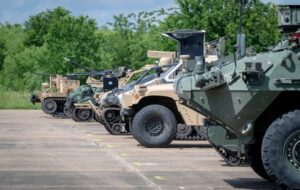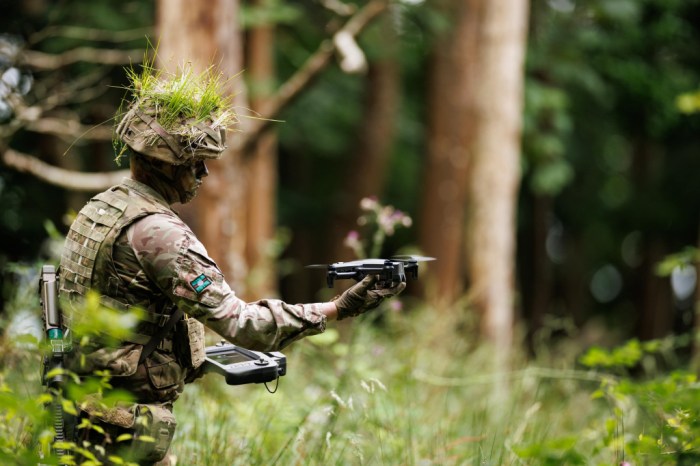
Modern warfare technology marks a revolutionary shift in how military operations are conducted, moving away from traditional combat methods to embrace cutting-edge innovations. The landscape of warfare has transformed dramatically with advancements like drones, artificial intelligence, and cyber warfare tactics, which have redefined both strategy and execution on the battlefield.
This evolution in technology not only enhances operational effectiveness but also introduces complex challenges and ethical considerations that must be navigated by military and political leaders alike. Understanding these dynamics is crucial for comprehending the current state of global security and military strategy.
Modern Warfare Technology Overview
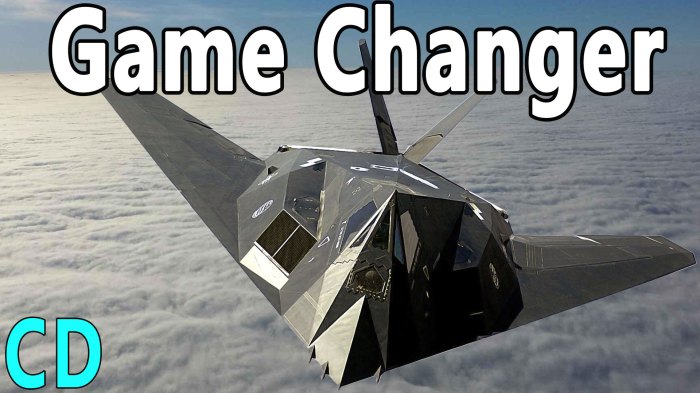
The transformation of warfare technology over the centuries represents a significant evolution in how conflicts are fought and won. From the days of hand-to-hand combat and simple weaponry to today’s sophisticated systems, the landscape of military engagement has continually adapted to technological advancements. This overview delves into the journey of modern warfare technology and its profound influence on military operations.The evolution of warfare technology began with rudimentary tools such as spears and bows, which gradually progressed to more complex machinery like cannons and firearms.
The Industrial Revolution marked a turning point, introducing mass production techniques that facilitated the creation of advanced weaponry. In recent decades, technological innovations, particularly in communication, computing, and materials science, have revolutionized warfare. Technologies such as drones, artificial intelligence, and cyber warfare capabilities are now commonplace, profoundly altering military strategies and tactics.
Cutting-Edge Technologies in Military Operations
Modern military operations leverage a range of advanced technologies that enhance their effectiveness on the battlefield. Understanding these technologies is crucial for comprehending the shifting dynamics of warfare. Here are some of the most prominent examples:
- Drones: Unmanned aerial vehicles (UAVs) enable surveillance and targeted strikes without risking human lives. Their use in intelligence gathering and precision targeting has become a game changer in military operations.
- Cyber Warfare: The capability to launch cyber attacks against enemy infrastructure has transformed how military operations are conducted. Cyber warfare targets information systems to disrupt communications and logistics.
- Artificial Intelligence: AI is increasingly utilized for data analysis, reconnaissance, and even autonomous weapon systems. AI-driven technologies enhance decision-making speed and accuracy in combat scenarios.
- Robotics: Ground-based robots are used for bomb disposal, reconnaissance, and logistics support. Their deployment reduces risks to human soldiers while increasing operational efficiency.
- Advanced Weaponry: Technologies such as hypersonic missiles and railguns provide unprecedented strike capabilities, allowing for rapid and precise engagements over long distances.
The integration of these technologies influences military strategy by enabling more agile and adaptable forces. Commanders can employ tactics that leverage real-time data and advanced analytics to outmaneuver opponents and minimize casualties. Additionally, the use of networked systems allows for better coordination between different military branches, ensuring a unified approach to operations.
Modern warfare is no longer just about firepower; it is about information dominance and technological superiority.
The impact of these advancements is profound, not only on how wars are fought but also on the geopolitical landscape. Nations must continuously adapt to technological shifts, leading to an arms race in innovation that shapes military doctrine and international relations. As technology continues to evolve, the future of warfare will undoubtedly present new challenges and opportunities for armed forces worldwide.
Law and Issues Surrounding Modern Warfare Technology
The integration of advanced technologies in military operations has raised significant legal and ethical questions. As nations leverage emerging military technologies, the regulatory landscape must evolve to ensure compliance with international laws and norms. This discussion explores the legal frameworks, ethical dilemmas, and international treaties shaping the use of modern warfare technologies.
Legal Frameworks Governing Military Technologies
Various national and international laws provide a framework for the use of military technologies. Central to these are the principles of international humanitarian law (IHL), which dictate that warfare must be conducted with respect for human rights and civilian protection. Key legal instruments include:
- The Geneva Conventions: These treaties establish standards for humanitarian treatment in war, including the protection of non-combatants and the wounded.
- The Convention on Certain Conventional Weapons (CCW): This treaty aims to prohibit or restrict specific types of weapons that cause unnecessary suffering or have indiscriminate effects.
- The Arms Trade Treaty (ATT): This treaty regulates the international trade of conventional arms, promoting transparency and accountability to prevent arms diversion to conflict zones.
These legal frameworks are vital in addressing the challenges posed by emerging technologies, ensuring that their use aligns with humanitarian principles.
Ethical Issues Raised by Autonomous Weapon Systems and AI
The advent of autonomous weapon systems (AWS) and artificial intelligence (AI) in warfare brings forth profound ethical dilemmas. The primary concerns revolve around accountability, decision-making, and moral responsibility. One major ethical issue is the potential for AWS to make life-and-death decisions without human intervention. This raises questions about accountability in the event of unlawful killings or collateral damage. As noted in a recent report by the United Nations, “the use of lethal autonomous weapons raises profound moral and legal questions.”Another concern is the potential for bias in AI algorithms, which could lead to discriminatory targeting in combat situations.
Such biases can exacerbate existing inequalities and undermine the principles of proportionality and distinction Artikeld in IHL.
International Treaties Regulating Modern Warfare Technologies
Several international treaties are specifically designed to address the evolving nature of warfare technologies. These treaties aim to foster cooperation among nations to mitigate the risks associated with advanced military capabilities. Key treaties include:
- The Convention on Cluster Munitions (CCM): This treaty prohibits the use, transfer, and stockpiling of cluster munitions, which pose a significant threat to civilians both during and after conflicts.
- The Treaty on the Prohibition of Nuclear Weapons (TPNW): This treaty seeks to eliminate nuclear weapons and promote global disarmament, reflecting a collective commitment to preventing catastrophic humanitarian consequences.
- The Wassenaar Arrangement: This framework regulates the transfer of conventional arms and dual-use goods and technologies, promoting transparency and confidence-building measures among participating states.
These treaties illustrate the global effort to regulate modern warfare technologies, balancing military necessity with humanitarian considerations.
Political and Government Implications of Modern Warfare Technology
The intersection of modern warfare technology and government policy plays a crucial role in shaping national security and international relations. Governments worldwide are increasingly investing in advanced military technologies, impacting not only their defense strategies but also their political stances and alliances. This section delves into the multifaceted implications of these technologies on governance and diplomacy.
Government Funding and Development of Modern Warfare Technologies
Government funding is essential for the research, development, and deployment of modern warfare technologies. Nations allocate significant portions of their budgets to defense spending, often favoring technological advancements that promise enhanced military capabilities.
- The United States, for instance, invests billions annually in defense contracts with private companies to develop cutting-edge technologies such as drone warfare, cyber capabilities, and artificial intelligence systems.
- Countries like China and Russia also increase their military budgets to foster technological advancements, focusing on areas like hypersonic weapons and missile defense systems.
- Public-private partnerships have emerged, where governments collaborate with tech firms to accelerate the development of military technologies, ensuring rapid advancements in capabilities.
The allocation of resources towards these technologies can reflect a country’s geopolitical priorities and perceived threats. For example, following the cyberattacks attributed to foreign entities, many nations enhanced their cybersecurity budgets, prioritizing technology to safeguard critical infrastructure.
Influence of Military Advancements on National Security Policies
The evolution of warfare technologies necessitates a reevaluation of national security policies. As military capabilities expand, governments must adapt their strategies to mitigate emerging threats.
- In response to advancements in drone technology, nations have redefined rules of engagement and engagement protocols, emphasizing precision strikes over traditional warfare.
- The proliferation of AI in military applications has prompted discussions around ethical implications and the need for regulatory frameworks to govern autonomous weapons.
- National security policies are increasingly shaped by the need to protect against cyber threats, leading to the establishment of cyber defense units within military structures.
Policy adaptations often involve collaboration with allies, necessitating strategic dialogues to align defense strategies across nations.
Impact of Modern Warfare Technology on International Relations and Alliances
Modern warfare technologies have a profound impact on international relations, reshaping alliances and the balance of power among nations. The introduction of advanced military capabilities can alter diplomatic dynamics.
- Countries with superior technology often assert their influence, leading to shifts in global power structures. The U.S. dominance in drone warfare, for example, has allowed it to engage in conflicts with minimal troop deployment while maintaining strategic advantages.
- Alliances evolve as countries seek to enhance their military capabilities through partnerships. NATO, for instance, has integrated cyber defense into its collective security framework, reflecting the importance of modern technologies.
- Technological advancements can also lead to arms races, as nations feel compelled to develop similar capabilities to maintain parity, which can escalate tensions and deepen rivalries.
Trust and transparency among nations become crucial in managing these dynamics, as nations negotiate arms control agreements to prevent escalation and promote stability in an increasingly complex security environment.
Summary
In conclusion, modern warfare technology is a double-edged sword that offers unprecedented advantages while also presenting significant ethical and legal challenges. As nations continue to innovate and adapt, it is vital to balance advancements with responsible governance and international cooperation, ensuring that the future of warfare aligns with global peace and security interests.
Helpful Answers
What are some examples of modern warfare technology?
Examples include drones, cyber warfare tools, autonomous weapon systems, and artificial intelligence applications in military strategy.
How does modern warfare technology affect international relations?
It can create power imbalances, influence alliances, and lead to an arms race among nations striving to maintain a technological edge.
What ethical concerns arise from autonomous weapon systems?
Key concerns include accountability for decisions made by machines, the potential for reduced human oversight, and the moral implications of lethal force being applied by AI.
Are there international laws regulating modern warfare technology?
Yes, there are various international treaties and frameworks, such as the Geneva Conventions, that aim to regulate the use of certain technologies in warfare.
What role do governments play in developing military technologies?
Governments fund research and development, create policies to guide technological advancements, and often collaborate with private industry to innovate and produce military technologies.