Kicking off with Holistic spiritual wellness, this concept emphasizes the integration of spiritual practices into our everyday lives, ultimately fostering a deeper connection with ourselves and the world around us. It encompasses not just individual practices but also recognizes the interconnectedness of our mental, emotional, and physical well-being.
By understanding and incorporating holistic spiritual wellness into our daily routines, we can cultivate mindfulness, enhance our relationships, and contribute positively to our communities. Exploring how traditional healing practices align with holistic approaches adds depth to our understanding of this vital aspect of health.
Understanding Holistic Spiritual Wellness
Holistic spiritual wellness is an integral aspect of overall health that transcends mere physical well-being. It encompasses the interconnectedness of mind, body, and spirit, emphasizing the importance of nurturing one’s inner self alongside external health. Through a holistic approach, individuals can cultivate a deeper sense of purpose, fulfillment, and harmony in their lives, which ultimately contributes to better mental and emotional health.The significance of holistic spiritual wellness lies in its ability to foster resilience, enhance self-awareness, and promote a balanced life.
This approach recognizes that spiritual health influences mental and emotional states, and vice versa. By addressing various components that contribute to holistic wellness, individuals can experience a more profound sense of connection to themselves, others, and the universe.
Components of Holistic Spiritual Wellness
Numerous elements play a critical role in achieving holistic spiritual wellness. These components work together to create a balanced and fulfilling life. Understanding these elements can provide clarity on how to nurture spiritual health effectively. The following points illustrate key components that contribute to holistic spiritual wellness:
- Self-awareness: The practice of introspection and reflection enhances one’s understanding of personal beliefs, values, and emotions. This awareness fosters personal growth and a clearer connection to spiritual sources.
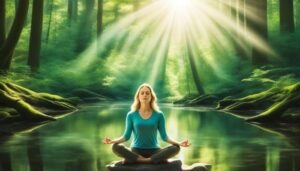
- Mindfulness: Mindfulness practices such as meditation and yoga promote present-moment awareness, helping individuals connect with their inner selves and foster a sense of peace.
- Community and Connection: Engaging with like-minded individuals and building supportive relationships can enhance one’s spiritual journey. A sense of belonging nurtures emotional health and personal fulfillment.
- Nature and Environment: Connecting with nature can provide grounding and a sense of belonging to the larger universe. Spending time outdoors encourages reflection and appreciation for life’s beauty.
- Meaning and Purpose: Identifying and pursuing personal passions contributes to a fulfilling life. Understanding one’s purpose encourages individuals to align their actions with their values.
Relationship Between Holistic Wellness and Traditional Healing Practices
Holistic wellness is deeply intertwined with traditional healing practices, which often emphasize the importance of spiritual health. Various cultures have incorporated spiritual elements into their healing methodologies for centuries. Traditional healing approaches view individuals as whole beings, addressing not only physical ailments but also emotional and spiritual needs.For instance, many Indigenous cultures utilize rituals and ceremonies as a means of promoting spiritual wellness.
These practices often involve community participation, which reinforces social bonds and fosters a holistic sense of well-being. Similarly, practices like Ayurveda and Traditional Chinese Medicine emphasize the balance of energy within the body, which includes spiritual aspects.
“Holistic healing recognizes that true wellness involves the mind, body, and spirit in a harmonious relationship.”
Throughout history, the synthesis of holistic wellness and traditional practices has shown effectiveness in promoting healing and overall health. By integrating these philosophies into modern wellness practices, individuals can benefit from a more comprehensive approach to their health, leading to deeper healing and personal transformation.
Integration of Holistic Spiritual Wellness in Daily Life
Incorporating holistic spiritual wellness into daily life involves intentional practices that foster a deeper connection with oneself and the environment. It emphasizes the balance of mind, body, and spirit through consistent and mindful actions. This integration can significantly enhance overall wellness, reduce stress, and promote a sense of purpose.Establishing a routine that includes holistic spiritual practices can create a sense of grounding and peace.
These practices can be simple yet profound, allowing individuals to connect with their inner selves on a daily basis. By dedicating time for mindfulness and meditation, one can cultivate a tranquil mindset that promotes spiritual growth. Here are some effective methods to integrate these practices into daily life.
Methods for Incorporating Holistic Spiritual Practices
Creating a harmonious daily routine that nurtures spiritual wellness is essential. Here are some actionable methods to consider:
- Morning Rituals: Start your day with a few minutes of gratitude journaling. Acknowledge three things you are thankful for to set a positive tone for the day.
- Mindful Breathing: Throughout the day, take short breaks to practice mindful breathing. Inhale deeply for four counts, hold for four, and exhale for four, promoting relaxation and focus.
- Nature Walks: Spend time outdoors to connect with nature. Observe the sights, sounds, and smells around you. This practice can enhance clarity and spiritual awareness.
- Evening Reflection: Conclude your day with a calming meditation or visualization exercise, reflecting on your experiences and emotions.
Techniques for Mindfulness and Meditation
Mindfulness and meditation are powerful tools that can deeply enhance spiritual wellness. Here are some techniques to incorporate:
- Guided Meditations: Use apps or online resources to find guided meditations that focus on spiritual themes, helping you explore your inner landscape.
- Body Scan Meditation: This technique involves mentally scanning your body from head to toe, releasing tension, and increasing body awareness. It helps in connecting with the physical aspect of your spirituality.
- Loving-Kindness Meditation: Cultivate compassion for yourself and others through this practice, where you silently repeat phrases wishing well for yourself and those around you.
- Mindful Eating: Focus on the experience of eating—notice the colors, textures, and flavors. This practice encourages being present and appreciating nourishment.
Weekly Schedule for Holistic Spiritual Health
Organizing a weekly schedule can help in maintaining a consistent practice of holistic spiritual wellness. Here’s a suggested framework:
| Day | Activity |
|---|---|
| Monday | 20-minute morning meditation focusing on breath awareness. |
| Tuesday | Attend a yoga class that emphasizes mindfulness and spiritual connection. |
| Wednesday | Engage in a nature walk, practicing mindful observation. |
| Thursday | Participate in a group discussion or online forum centered on spiritual growth. |
| Friday | Practice a loving-kindness meditation in the evening. |
| Saturday | Spend time journaling about your spiritual experiences and insights from the week. |
| Sunday | Reflect on the week and plan for the upcoming week with mindful intentions. |
By implementing these methods, techniques, and structured activities, individuals can cultivate a lifestyle that embraces holistic spiritual wellness. This not only enhances personal well-being but also creates a ripple effect that can positively impact the surrounding community.
Impact of Holistic Spiritual Wellness on Relationships and Society
Holistic spiritual wellness plays a vital role in shaping healthy relationships and fostering a sense of community. When individuals embrace this approach, they not only enhance their personal well-being but also contribute positively to the dynamics of their social circles and society at large. By understanding the interconnectedness of mind, body, and spirit, people can cultivate deeper connections with others, leading to more meaningful interactions and community engagement.The effects of holistic spiritual wellness extend beyond personal circles, influencing broader societal dynamics.
When individuals prioritize spiritual well-being, it fosters a culture of empathy, understanding, and cooperation, which can even translate into political and governmental realms. The nurturing of spirituality encourages individuals to look beyond their immediate desires, promoting values such as compassion and social responsibility.
Influence on Personal Relationships
Holistic spiritual wellness profoundly impacts personal relationships, fostering deeper connections and mutual understanding. By engaging in practices that nurture their spiritual health, individuals often experience increased emotional awareness and empathy, which are essential for healthy relationships. Some key influences include:
- Enhanced Communication: Individuals who prioritize spiritual wellness tend to communicate more openly and honestly, creating a safe space for sharing feelings and thoughts.
- Increased Empathy: Embracing holistic spiritual practices helps individuals to step into the shoes of others, leading to better conflict resolution and support.
- Stronger Bonds: The shared pursuit of spiritual growth can strengthen connections between partners, friends, and family members, enhancing relational satisfaction.
The cultivation of these influences leads to healthier relationships characterized by trust, vulnerability, and genuine support.
Role of Spirituality in Fostering Empathy in Politics
Spirituality can serve as a powerful tool in politics and governance, promoting understanding and empathy among diverse groups. When leaders and policymakers integrate spiritual principles into their decision-making processes, they are more likely to prioritize the well-being of their constituents. Consider the following aspects:
- Promoting Unity: Spirituality encourages a focus on common values and shared humanity, which can bridge divides among different political ideologies.
- Encouraging Compassionate Policies: Leaders who embrace holistic spiritual wellness are more inclined to create policies that address social justice, equality, and the welfare of marginalized communities.
- Facilitating Dialogue: Spiritual principles can help foster open and respectful communication, making it easier for opposing parties to engage in productive conversations.
These elements contribute to a political climate that values empathy and collective progress, ultimately benefiting society as a whole.
Holistic Spiritual Health Needs of Military Service Members
Military service members face unique challenges that can significantly impact their holistic spiritual wellness. Addressing their spiritual health needs is crucial for fostering resilience and supporting overall well-being. Key considerations include:
- Trauma and Recovery: Many service members experience trauma that can hinder spiritual wellness. Support systems that address these emotional and spiritual wounds are essential for healing.
- Community Support: Creating supportive communities that foster a sense of belonging can help military personnel feel connected and appreciated.
- Access to Resources: Providing access to spiritual resources, such as counseling or workshops focused on holistic wellness, can aid in the recovery and growth of service members.
By recognizing and addressing these needs, society can better support those who serve, enhancing their holistic spiritual wellness and overall quality of life.
Ending Remarks

In summary, embracing holistic spiritual wellness is about nurturing our inner selves and connecting with the broader fabric of society. As we integrate these principles into our lives, we foster empathy and understanding, not only within our relationships but also in the communities we inhabit. Ultimately, this journey enhances our overall well-being and promotes a harmonious existence.
Detailed FAQs
What is holistic spiritual wellness?
Holistic spiritual wellness is an approach that integrates spiritual practices into overall health, focusing on the interconnectedness of mind, body, and spirit.
How can I incorporate holistic spiritual wellness into my daily life?
You can incorporate it by adopting mindfulness practices, meditation, and dedicating time for reflection and spiritual activities in your routine.
What role does holistic spiritual wellness play in relationships?
It fosters deeper connections, empathy, and understanding, enhancing the quality of personal relationships and community dynamics.
Can holistic spiritual wellness help cope with stress?
Yes, practices like mindfulness and meditation associated with holistic spiritual wellness are effective in reducing stress and promoting mental clarity.
Is holistic spiritual wellness recognized in traditional healing?
Absolutely, many traditional healing practices incorporate spiritual elements that align with the principles of holistic spiritual wellness.