Rituals for inner peace invites us to explore the profound benefits of incorporating intentional practices into our daily lives. These rituals, ranging from meditation to gratitude expressions, serve as powerful tools to cultivate a sense of calm amidst life’s chaos. By establishing a routine that prioritizes inner peace, individuals can enhance their overall well-being and find stability in a fast-paced world.
In the journey toward tranquility, understanding the diverse types of rituals and their impact on both personal and societal levels becomes essential. Whether it’s through cultural traditions or personal mindfulness practices, these rituals not only foster individual peace but also contribute to community harmony.
Importance of Rituals for Inner Peace
Establishing rituals in our daily lives plays a vital role in fostering inner peace. These rituals serve not only as habitual practices but also as anchors in an often chaotic world. They create a structured environment that helps to promote mental clarity and emotional stability, which are essential for achieving a calm state of mind.The psychological benefits of rituals include their ability to provide a sense of predictability and security.
When faced with uncertainty or stress, engaging in familiar rituals can alleviate feelings of anxiety. By grounding ourselves in these practices, we can cultivate a more centered and peaceful mindset. Rituals can range from simple daily habits to more elaborate ceremonies, each tailored to fit individual preferences and lifestyles.
Examples of Common Rituals for Inner Peace
Rituals can vary widely but share a common goal of enhancing tranquility. Here are some common examples that promote inner peace:
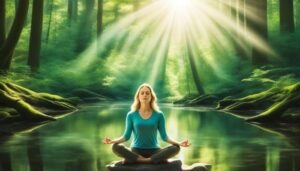
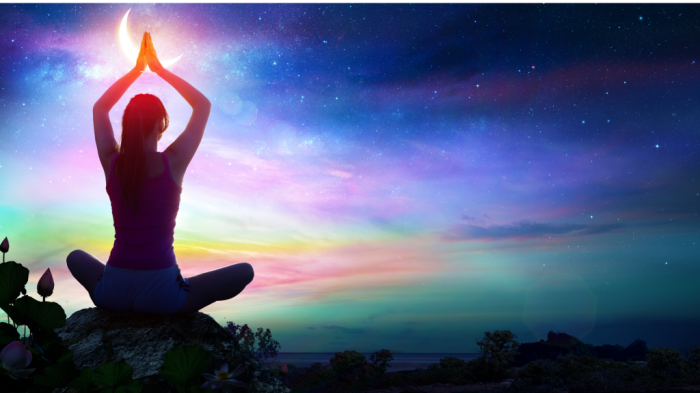
- Morning Meditation: Starting the day with a few minutes of meditation can set a positive tone and clear the mind for the day ahead. This practice allows for mindfulness and self-reflection.
- Gratitude Journaling: Taking time each evening to jot down things you are grateful for can shift focus away from stressors and instill a sense of appreciation for life’s simple pleasures.
- Nature Walks: Regularly spending time in nature can rejuvenate the spirit. The act of walking amidst natural surroundings can provide both physical exercise and mental clarity.
- Evening Wind-Down Routine: Creating a calming evening ritual, such as reading a book or sipping herbal tea, can signal to the body that it’s time to relax and prepare for restful sleep.
- Weekly Reflection: Setting aside time each week to reflect on personal growth, challenges, and achievements allows for a deeper understanding of oneself and promotes emotional resilience.
These rituals not only contribute to personal well-being but also foster a sense of community and connection, especially when shared with others.
“Rituals are the bridge between what we want to achieve and our capacity to achieve it.”
Incorporating even a few of these practices into daily life can significantly enhance one’s overall sense of peace and contentment.
Types of Rituals for Inner Peace
Rituals for inner peace encompass a variety of practices that aim to cultivate tranquility and mindfulness in daily life. These rituals can be personal or cultural, offering individuals unique pathways to attain serenity within themselves and their communities. Understanding the types of rituals available allows individuals to choose the ones that resonate most with them, paving the way for a more peaceful existence.Several key rituals can significantly contribute to inner peace, including meditation, mindfulness, and gratitude practices.
Each of these practices offers different approaches to achieving a peaceful state of mind. They can serve as tools for reflection, emotional balance, and connection to the present moment.
Meditation Practices
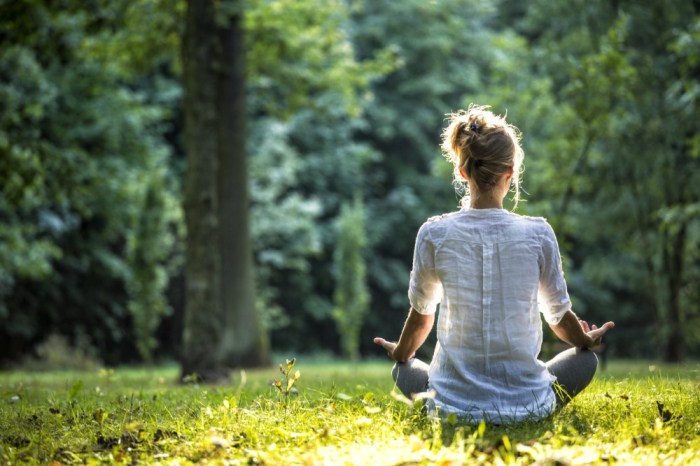
Meditation is a foundational ritual for inner peace. It involves focused attention and awareness, which helps quiet the mind and reduces stress. Different forms of meditation can be practiced, including:
- Mindfulness Meditation: This practice encourages individuals to observe their thoughts and feelings without judgment, cultivating a sense of presence.
- Loving-Kindness Meditation: This ritual focuses on developing feelings of compassion and love toward oneself and others, fostering emotional well-being.
- Transcendental Meditation: Involves the silent repetition of a mantra, allowing the mind to settle into a state of profound rest and relaxation.
Each of these styles requires specific steps, such as finding a quiet space, sitting comfortably, and dedicating a set amount of time to the practice. The important takeaway from meditation is the consistent practice can lead to lasting peace and a deeper understanding of oneself.
Mindfulness Practices
Mindfulness is the practice of being fully present and engaged in the moment, which can significantly enhance inner peace. It can be integrated into daily activities and does not necessarily require a significant time commitment. Key components of mindfulness include:
- Breathing Exercises: Simple techniques focusing on the breath help anchor attention and calm the mind.
- Body Scans: This practice involves mentally scanning the body for tension, promoting relaxation and awareness of physical sensations.
- Mindful Eating: Focusing on the experience of eating allows individuals to savor their food and cultivate gratitude, enhancing the overall enjoyment of meals.
Incorporating mindfulness into everyday life can transform ordinary moments into opportunities for peace and reflection.
Gratitude Practices
Cultivating gratitude is a powerful ritual that can shift focus from negativity to appreciation. Daily practices can include:
- Gratitude Journaling: Writing down things for which one is grateful encourages positive thinking and fosters a sense of contentment.
- Gratitude Letters: Writing letters to express appreciation to others can strengthen relationships and enhance emotional well-being.
- Daily Reflection: Taking time each day to reflect on positive experiences promotes a mindset of abundance and happiness.
The practice of gratitude can create a profound impact on mental health and contribute to a more peaceful outlook on life.
Cultural Rituals and Their Contribution
Cultural rituals play a significant role in promoting inner peace both individually and within communities. They provide a sense of belonging and identity, often incorporating elements that foster connection and harmony. Examples of cultural rituals include:
- Community Gatherings: Events such as festivals and ceremonies bring people together, strengthening social bonds and promoting collective peace.
- Spiritual Practices: Many cultures have rituals that involve prayer, singing, or dance, offering spiritual solace and a communal sense of tranquility.
- Seasonal Celebrations: Rituals marking the changing seasons provide opportunities for reflection and gratitude, reinforcing community ties.
Through these rituals, individuals can find comfort and peace, knowing they are part of a larger community that shares similar values and beliefs. These cultural practices enhance the fabric of society and contribute to overall mental well-being.
Rituals and Their Impact on Society
Rituals play a significant role in shaping societal structures and fostering connections among individuals. They serve as a powerful means of expression that transcends personal boundaries and engage communities in shared experiences. These collective activities contribute to social cohesion, allowing individuals to bond over common beliefs and values.
Intersection with Religion and Spirituality
Rituals are deeply interconnected with religious and spiritual practices, acting as a bridge that fosters community cohesion. They provide a platform for individuals to gather, enhancing a sense of belonging and identity within a group. Religious ceremonies such as weddings, funerals, and communal prayers create shared experiences that reinforce social ties. These rituals often embody the values and teachings of a faith, providing a sense of purpose and direction to participants.
They serve not just to commemorate significant events but also to instill communal norms, fostering a collective identity.
“Shared rituals create a fabric of trust and interdependence among community members.”
Military and Governmental Rituals
Military and governmental rituals hold substantial influence over societal peace and stability. These rituals, such as flag-raising ceremonies, remembrance days, and military parades, symbolize national pride and collective memory. They are instrumental in unifying diverse groups under a shared national identity, often invoking a sense of duty and belonging among participants.Moreover, the implications of these rituals extend beyond mere symbolism.
They can reinforce a culture of peace by promoting values such as respect, honor, and sacrifice. For instance, peacekeeping ceremonies showcase the commitment of nations to uphold peace and security, encouraging societal responsibility toward these ideals.
Comparison of Personal and Societal Rituals
Personal rituals and societal rituals both play pivotal roles in promoting peace and well-being but operate on different levels. Personal rituals, such as daily meditation or family traditions, focus on individual tranquility and emotional resilience. They provide a framework for self-reflection and stress relief, which can enhance personal well-being.On the other hand, societal rituals aim to strengthen communal bonds and instill a sense of shared mission.
These rituals often incorporate larger themes of unity and cooperation, encouraging individuals to engage with their communities. Both types of rituals contribute to a holistic sense of peace—personal rituals nurture the individual, while societal rituals cultivate community spirit. Together, they create an environment conducive to harmony and mutual respect.
“Rituals, whether personal or societal, serve as cornerstones for peace and connection in our lives.”
Final Review
In summary, embracing rituals for inner peace can transform our lives, offering a pathway to stability, reduced anxiety, and a deeper connection with ourselves and others. By exploring various practices and recognizing their societal implications, we can foster a more peaceful existence both individually and collectively. Ultimately, the journey toward inner peace is a personal one, enriched by the rituals we choose to adopt.
Answers to Common Questions
What are some simple rituals I can start with?
Simple rituals include morning meditation, journaling, or practicing gratitude before bed.
How long should I dedicate to rituals for them to be effective?
Even a few minutes daily can be effective; consistency is key.
Can rituals really reduce anxiety?
Yes, rituals can create stability and predictability, which helps alleviate anxiety.
Is it necessary to follow cultural rituals for inner peace?
While cultural rituals can enhance community connection, personal rituals are equally valuable.
How do I know which rituals work best for me?
Experiment with different practices and observe which ones resonate with you the most.