Environmental law updates highlight the dynamic landscape of regulations and policies that govern our natural world. This field is constantly evolving, influenced by recent legislation, court decisions, and international agreements, all aimed at fostering sustainability and protecting the environment.
As we delve into the latest developments, we’ll explore how political shifts, lobbying efforts, and even military operations intertwine with environmental regulations, shaping the future of our ecological protections.
Recent Developments in Environmental Law
Recent developments in environmental law demonstrate a growing commitment to enhancing sustainability and protecting natural resources. The landscape of environmental legislation continues to evolve, reflecting urgent global concerns surrounding climate change, pollution, and biodiversity loss. These changes not only affect national policies but also play a significant role in international cooperation towards environmental protection.The latest legislation has introduced several critical measures aimed at fostering environmental protection and sustainability.
This includes the implementation of stricter emission regulations, promotion of renewable energy sources, and enhanced protections for endangered species. The implications of recent court rulings are equally significant, often reinforcing existing regulations or challenging rollbacks on environmental protections. Additionally, various international agreements are shaping the legal framework within which countries operate, emphasizing commitments to combat climate change and collaborate on environmental issues.
Latest Legislation Related to Environmental Protection
The recent legislative measures taken by various governments signal a shift towards more robust environmental governance. Key aspects of this new legislation include:
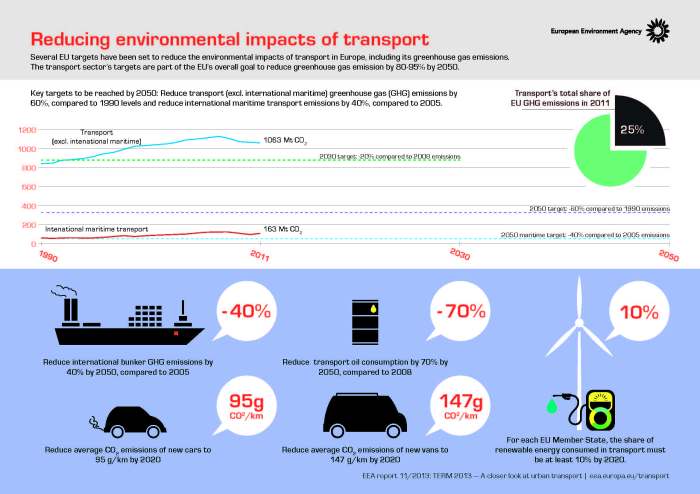
- Greenhouse Gas Emission Targets: Many countries have committed to reducing greenhouse gas emissions by specific percentages over the next decade, aligning with the goals set by the Paris Agreement.
- Investment in Renewable Energy: New laws are incentivizing investments in solar, wind, and other renewable energy sources, aiming to phase out fossil fuel dependency.
- Plastic Waste Reduction: Legislations banning single-use plastics are being adopted globally, prompting businesses to innovate in sustainable packaging solutions.
- Water Quality Standards: Stricter regulations have been established for water pollutants, focusing on protecting freshwater ecosystems from industrial discharges and agricultural runoff.
Implications of Recent Court Rulings on Environmental Regulations
Recent court rulings have had profound impacts on the enforcement and interpretation of environmental regulations. Courts have increasingly sided with environmental advocacy groups, leading to significant outcomes that reshape regulatory frameworks.
“Judicial decisions have underscored the necessity for accountability in environmental governance.”
Some notable rulings include:
- Challenging Deregulation: Courts have overturned attempts to weaken regulations on air and water quality, reinforcing the importance of environmental standards.
- Endangered Species Protections: Legal battles have emerged surrounding the protection of endangered species, with courts ruling in favor of stricter protections for key habitats.
- Climate Change Litigation: Growing numbers of lawsuits are being filed against corporations for their contributions to climate change, pushing for corporate accountability.
International Agreements Affecting Environmental Law
International agreements play a crucial role in shaping national environmental laws and fostering global cooperation on ecological issues. Several key agreements are currently influencing environmental legislation:
- Paris Agreement: This landmark accord focuses on limiting global warming to well below 2 degrees Celsius, prompting countries to develop and implement national climate action plans.
- Biodiversity Convention: This treaty aims to conserve biological diversity and ensure sustainable use of its components, guiding nations in their policies regarding flora and fauna conservation.
- Montreal Protocol: Originally aimed at phasing out substances that deplete the ozone layer, this agreement has been adapted to address climate change by reducing greenhouse gases.
Impact of Politics on Environmental Legislation

The intersection of politics and environmental law is a dynamic realm where change is often swift and contentious. Political movements and government changes play an essential role in shaping environmental legislation, influencing everything from regulatory measures to funding for conservation efforts. As political landscapes shift, so too do the priorities that drive environmental protections, reflecting the differing ideologies of those in power.Political movements and government transitions can significantly alter the trajectory of environmental law.
For instance, when a new administration takes office, it may either reinforce or dismantle existing environmental regulations based on its priorities. In recent years, we have seen stark contrasts in approaches to climate change, pollution control, and land use policies between administrations. This often leads to a back-and-forth cycle of legislative change, creating uncertainty for businesses and communities alike.
Influence of Lobbyists and Interest Groups
Lobbyists and interest groups wield substantial power in shaping environmental policy, often acting as intermediaries between lawmakers and various stakeholders. Their influence can be both constructive and detrimental, depending on their agendas. The presence of these groups in the legislative process highlights the importance of advocacy in environmental law. They often provide critical information, funding, and grassroots support to amplify their messages.
Here are key points regarding their influence:
- Industry Lobbying: Corporations, especially in sectors like oil and gas, agriculture, and manufacturing, engage in lobbying to influence regulations that could impact their operations. Their significant financial resources enable them to advocate effectively for favorable policies.
- Environmental Advocacy Groups: Organizations such as the Sierra Club or Greenpeace work to counterbalance industry lobbying by raising public awareness on environmental issues and pushing for more stringent regulations to protect ecosystems and biodiversity.
- Public Opinion Shaping: Interest groups often mobilize public support or opposition to particular legislation, using campaigns, social media, and public demonstrations to sway political decisions.
The role of these groups illustrates how intertwined economic interests are with environmental policy. When legislative priorities shift, the balance of power among these lobbyists can directly influence the type and effectiveness of environmental laws enacted.
Comparison of Political Party Approaches
The political party in power significantly impacts environmental laws, with notable distinctions between major parties in their approaches to environmental regulation. Democratic parties typically advocate for more aggressive environmental protections, emphasizing climate change mitigation and sustainable development. In contrast, Republican parties often prioritize economic growth, frequently arguing for deregulation to encourage business expansion. This ideological divide leads to contrasting strategies regarding environmental issues, illustrated by recent legislative trends:
- Climate Policy: Democratic administrations tend to implement comprehensive plans aimed at reducing greenhouse gas emissions, such as the Green New Deal proposal, while Republican administrations may focus on energy independence and support for fossil fuel industries.
- Regulatory Frameworks: Democrats are likely to endorse stricter regulations on pollutants and emissions, whereas Republicans may pursue a rollback of existing regulations to reduce regulatory burdens on businesses.
- International Agreements: Democratic leaders often prioritize participation in global environmental agreements like the Paris Accord, whereas Republican leaders may question their economic impacts and seek to withdraw from or renegotiate such commitments.
This political dichotomy reflects broader societal values concerning the environment, economics, and the future of sustainable development. The evolving landscape underscores the necessity for ongoing engagement and dialogue among all stakeholders involved in environmental governance.
Relationship Between Military Operations and Environmental Law
Military operations have significant implications for environmental law, as the activities involved often lead to various environmental challenges. These challenges stem from the extensive use of natural resources, land degradation, and the potential contamination of ecosystems resulting from military exercises and conflicts. The inherent tension between defense operations and environmental preservation raises critical questions about compliance with existing environmental laws and the stewardship of natural resources.The intersection of military activities and environmental law is governed by a complex framework of national and international regulations aimed at protecting the environment while accommodating the necessities of defense.
Key laws include the National Environmental Policy Act (NEPA) in the United States and various international treaties that focus on environmental protection during armed conflict. Understanding these legal frameworks is essential for identifying how military operations can align more closely with sustainable environmental practices.
Environmental Challenges Posed by Military Activities
Military operations can result in a range of environmental challenges, which can be categorized as follows:
- Land Degradation: Military training exercises often involve heavy machinery and troop movements, resulting in soil erosion, habitat destruction, and loss of biodiversity.
- Pollution: The use of chemicals, ammunition, and vehicles can lead to soil, water, and air contamination. For instance, the use of lead in ammunition and oil spills from military vehicles are common contributors to environmental pollution.
- Resource Consumption: Military operations require vast amounts of natural resources, including water and energy, which can strain local ecosystems and lead to resource depletion.
- Wildlife Disruption: Military training in natural areas can disrupt wildlife habitats, leading to population declines and changes in species behavior.
These environmental challenges highlight the need for military operations to incorporate ecological considerations into their planning and execution.
Laws Governing Military Use of Natural Resources
Several laws and treaties address the military’s impact on natural resources and Artikel the obligations of military entities concerning environmental protection. Key legislations include:
- The National Environmental Policy Act (NEPA): Mandates federal agencies, including the military, to assess environmental impacts before undertaking major projects.
- International Humanitarian Law (IHL): While focused on protecting individuals in armed conflict, IHL also includes provisions for environmental protection during hostilities, such as the prohibition against causing widespread, long-term damage to the natural environment.
- Environmental Protection Agency (EPA) Regulations: In the U.S., the EPA sets standards that military installations must adhere to regarding pollution and waste management.
These laws ensure that military operations, while essential for national security, do not irreparably damage the environment.
Case Studies Highlighting Conflicts Between Military Actions and Environmental Regulations
Several case studies exemplify the conflicts that arise between military operations and environmental regulations.
- Camp Lejeune: This U.S. Marine Corps base faced significant legal battles over groundwater contamination from industrial solvents and fuel spills, leading to health issues for residents and stricter environmental oversight.
- Range Wars in the Western U.S.: Military training exercises on public lands have often clashed with environmental regulations protecting endangered species and habitats, sparking protests and negotiations between military and environmental groups.
- The Gulf War: The environmental impact of the Gulf War, including oil well fires and deliberate oil spills, raised significant concerns regarding the destruction of ecosystems and the long-term effects on public health and the environment.
These case studies illustrate the ongoing tensions between military imperatives and environmental stewardship, underscoring the need for comprehensive policies that address both security and ecological integrity.
Conclusion
In summary, the landscape of environmental law is shaped by a confluence of recent legislative changes, political influences, and the complexity of military operations. Understanding these factors is crucial as we navigate the intricate relationship between law and the environment, paving the way for more effective and sustainable practices in the future.
Questions and Answers
What are the latest environmental laws?
Recent environmental laws focus on reducing carbon emissions, enhancing renewable energy use, and protecting biodiversity.
How do political changes affect environmental policy?
Political changes can lead to shifts in priorities and funding, impacting the development and enforcement of environmental regulations.
What role do lobbyists play in environmental legislation?
Lobbyists can significantly influence environmental policy by advocating for specific interests, whether they support or oppose regulations.
Are there international agreements that impact local environmental laws?
Yes, international agreements often set standards that countries must incorporate into their local laws to address global environmental issues.
How does military activity affect the environment?
Military activities can cause pollution, habitat destruction, and resource depletion, leading to conflicts with environmental regulations.