Conflict resolution in couples is essential for nurturing healthy relationships, offering a pathway to understanding and connection. Every couple faces disagreements, but how they navigate these conflicts defines the strength of their bond. By exploring effective communication strategies and understanding the roots of conflicts, couples can transform disagreements into opportunities for growth and deeper intimacy.
Understanding the dynamics of conflict resolution equips couples with the tools to address issues constructively. From recognizing common causes of conflict to employing techniques like active listening and compromise, each step taken fosters a more empathetic and supportive partnership.
Understanding Conflict Resolution in Couples
Conflict resolution is a crucial aspect of maintaining healthy and lasting romantic relationships. It involves the methods and processes by which couples can resolve disputes and disagreements in a constructive manner. The importance of conflict resolution lies in its ability to foster understanding, strengthen bonds, and enhance communication between partners. By effectively resolving conflicts, couples not only address the immediate issues at hand but also set a foundation for future interactions, ensuring that disagreements do not escalate into larger problems.Common conflicts in romantic relationships often arise from a variety of sources that reflect differing needs, expectations, and communication styles.
These conflicts might be triggered by financial stress, differing values, time management issues, or even simple misunderstandings. Understanding these common causes can help couples navigate their disagreements more effectively.
Common Causes of Conflicts in Romantic Relationships
Recognizing the underlying causes of conflict can lead to more effective resolution strategies. Here are some frequently encountered issues that often cause disagreements between partners:
- Financial Stress: Disparities in spending habits, savings priorities, and financial goals can create tension.
- Communication Barriers: Misunderstandings due to lack of clarity or differing communication styles often lead to disagreements.
- Time Management: Conflicts often arise when partners have different expectations regarding quality time and personal space.
- Family Dynamics: Issues related to in-laws or differing opinions on parenting can create friction.
- Intimacy Issues: Disparities in sexual needs and emotional connection often lead to feelings of resentment.
Effective Communication Strategies During Disagreements
Communication is key to resolving conflicts in a healthy manner. By employing effective communication strategies, couples can navigate disagreements more smoothly. Here are several practices that can enhance communication during conflicts:
- Active Listening: This involves genuinely paying attention to what your partner is saying and confirming understanding before responding.
- Expressing Feelings: Using “I” statements to express feelings can prevent blame and foster an open dialogue, such as “I feel unheard when…”
- Staying on Topic: Addressing one issue at a time can prevent the conversation from spiraling into unrelated conflicts.
- Taking Breaks: When emotions run high, taking a short break can help both partners cool down and approach the conversation with a clearer mindset.
- Seeking Compromise: Finding a middle ground where both partners feel heard and valued can lead to more satisfying resolutions.
“Effective conflict resolution strengthens the relationship, fostering an environment where both partners feel valued and understood.”
Techniques for Conflict Resolution
Resolving conflicts effectively is vital for maintaining a healthy relationship. Couples can benefit significantly from learning and applying various conflict resolution techniques that promote understanding and harmony. This section explores popular methods such as active listening and compromise, while also detailing the negotiation process and strategies for fostering empathy during disagreements.
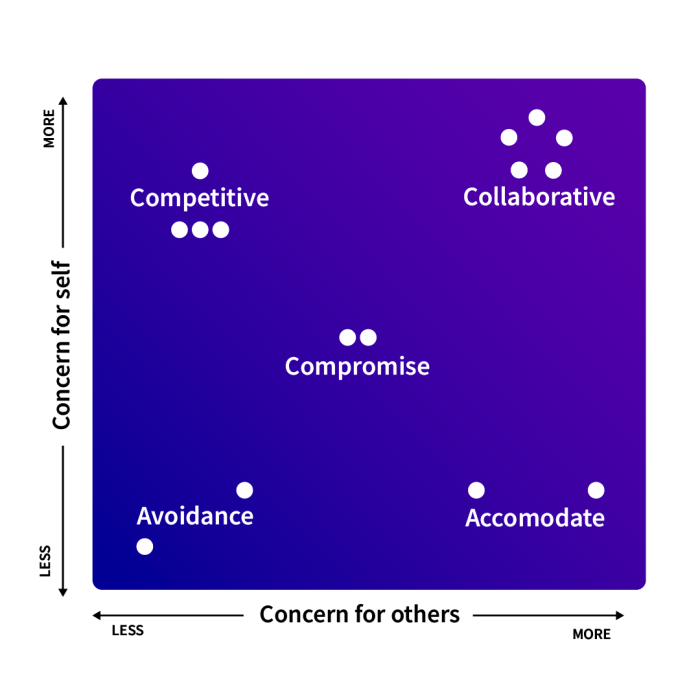
Popular Conflict Resolution Techniques
There are several effective techniques that couples can employ to navigate conflicts successfully. These methods not only help to address the immediate issues but also strengthen the relationship over time. Key techniques include:
- Active Listening: This technique involves fully concentrating, understanding, responding, and remembering what the other person is saying. Engaging in active listening shows respect and allows both partners to feel heard and valued.
- Compromise: Compromise requires both partners to give up something to reach a mutually acceptable resolution. This technique acknowledges that both parties have legitimate needs and helps to foster cooperation.
- Time-Outs: Taking a break during heated arguments can help prevent escalation. Partners can take time to cool off, reflect on their emotions, and approach the situation with a clearer mind.
- Using “I” Statements: Instead of blaming or criticizing the partner, speaking from a personal perspective helps express feelings without putting the other person on the defensive. For example, saying “I feel hurt when…” instead of “You always make me feel…” can change the tone of the conversation.
Steps in the Negotiation Process
Negotiation in a relationship involves a structured approach where couples can address their issues collaboratively. The steps involved in the negotiation process include:
1. Identify the Conflict
Clearly define the issue that is causing disagreement. This sets the stage for addressing the matter effectively.
2. Express Feelings and Needs
Each partner should take turns sharing their feelings and needs related to the conflict. This openness can illuminate the underlying issues.
3. Generate Options
Brainstorm possible solutions without judgment. This encourages creative thinking and may lead to unexpected compromises.
4. Evaluate Options
Discuss the potential impacts of each proposed solution. This evaluation helps in selecting the options that are most acceptable to both partners.
5. Agree on a Solution
Once options are evaluated, agree on a solution that satisfies both parties. Documenting this agreement can help reinforce accountability.
6. Follow-Up
Regularly check in on the agreed solution to ensure it is working and to make adjustments if necessary. This ongoing communication fosters trust and collaboration.
Methods for Fostering Empathy and Understanding
Fostering empathy and understanding during conflicts is essential for resolution. Here are practical methods couples can use to enhance their connection during disagreements:
- Practice Perspective-Taking: Encourage each partner to consider the other’s point of view. This helps in understanding motivations and emotions behind actions.
- Validate Feelings: Acknowledge each other’s emotions as legitimate, even if you don’t agree with the perspective. Validating feelings can defuse tension and promote openness.
- Nonverbal Communication: Body language, eye contact, and tone of voice convey emotions. Being aware of these cues can enhance understanding and empathy.
- Empathy Statements: Use statements that communicate understanding, such as, “I can see why you’d feel that way.” This shows compassion and builds rapport.
Conflict Resolution Across Different Contexts

Conflict resolution is a complex process influenced by various factors, including the context in which it occurs. Understanding how different environments, cultural backgrounds, and support systems shape conflict resolution strategies is crucial for couples. This section explores the nuances of conflict resolution in military and civilian relationships, the impact of cultural and religious beliefs, and the role of external support systems in fostering effective resolutions.
Differences in Military and Civilian Relationships
Conflict resolution strategies can vary significantly between military and civilian relationships due to the unique pressures and dynamics involved. In military settings, couples often face additional stressors such as frequent deployments, relocations, and the psychological toll of military life. These factors can lead to heightened emotional responses during conflicts. In contrast, civilian relationships may experience conflicts stemming from daily life stressors, such as financial issues or career challenges.Military couples often rely on structured communication methods, emphasizing directness and clarity to minimize misunderstandings.
The use of conflict resolution training within the armed forces also encourages couples to engage in problem-solving approaches that prioritize teamwork. For civilian couples, the approaches may be more fluid and emphasize emotional expressions, where discussions may evolve and shift based on the situation.
Influence of Cultural and Religious Beliefs
Cultural and religious beliefs play a substantial role in shaping conflict resolution strategies among couples. Various cultures have distinct approaches to conflict, influenced by values related to communication styles, power dynamics, and the importance of family. For instance, collectivist cultures may prioritize group harmony and indirect communication, which can affect how conflicts are addressed and resolved.Religious beliefs can also dictate how conflicts are perceived and managed.
Certain religions promote forgiveness and reconciliation as a way to resolve disputes, encouraging couples to seek guidance from religious texts or community leaders. In contrast, other belief systems may emphasize individual accountability and self-expression, leading to more direct confrontation of issues. Understanding these differences is essential for couples from diverse backgrounds to navigate conflicts effectively.
Role of External Support Systems
External support systems, such as therapy and mediation, can play a vital role in conflict resolution for couples. Professional guidance provides a neutral ground for partners to express their feelings and explore underlying issues without the influence of biases or emotional baggage. Therapy often equips couples with essential tools for communication, helping them develop strategies to manage conflict constructively.Mediation can also be beneficial, particularly for couples experiencing high-stakes disputes.
A mediator can facilitate discussions, ensuring that both partners feel heard and valued. This process often leads to mutually beneficial solutions that may not have been achievable through direct confrontation alone. Furthermore, involving family or friends as informal support can offer additional perspectives and reinforce the sense of community, which is important for long-term conflict resolution.
“Utilizing external support systems often transforms conflict from a source of distress into an opportunity for growth and understanding between partners.”
Final Conclusion
In conclusion, mastering conflict resolution is not just about resolving disputes but about enhancing the overall relationship. By embracing empathy, understanding, and effective communication, couples can build a foundation that not only withstands challenges but thrives in the face of them. This journey of resolution ultimately leads to stronger, more resilient partnerships.
Quick FAQs
What are some signs that conflict resolution is needed?
Signs include frequent arguments, unresolved issues, communication breakdowns, and emotional withdrawal.
How can couples practice active listening?
Couples can practice active listening by giving full attention, repeating back what they hear, and validating each other’s feelings.
What role does compromise play in conflict resolution?
Compromise allows both partners to feel heard and valued, leading to mutually acceptable solutions that benefit the relationship.
How can therapy aid in conflict resolution?
Therapy provides a safe space for couples to express their feelings and learn effective conflict resolution techniques from a professional.
Can cultural differences affect conflict resolution?
Yes, cultural beliefs can shape how individuals perceive conflict and the strategies they use to resolve it, influencing communication styles and expectations.