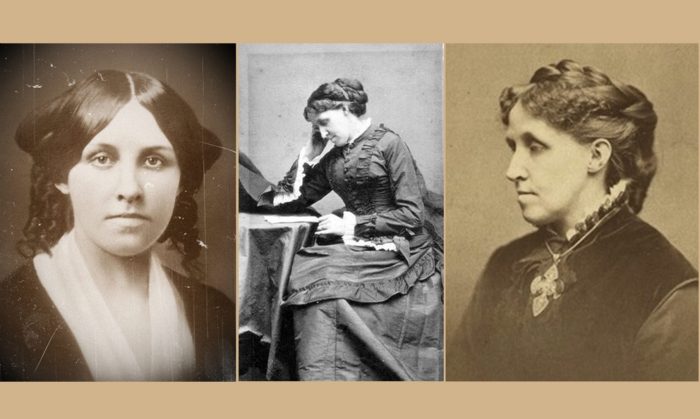
Women in the military is a fascinating topic that showcases the evolution of gender roles within armed forces. From the early contributions of women during World War I to their current presence in combat roles, this narrative illustrates how societal perceptions have shifted over time.
This exploration highlights significant milestones, such as the first women to serve in combat and the ongoing struggles for equality and recognition in the military. As we delve deeper, we’ll uncover how major wars have shaped women’s participation and the ongoing challenges they face, ensuring that their voices and experiences are recognized in the broader context of military history.
Historical Context of Women in the Military
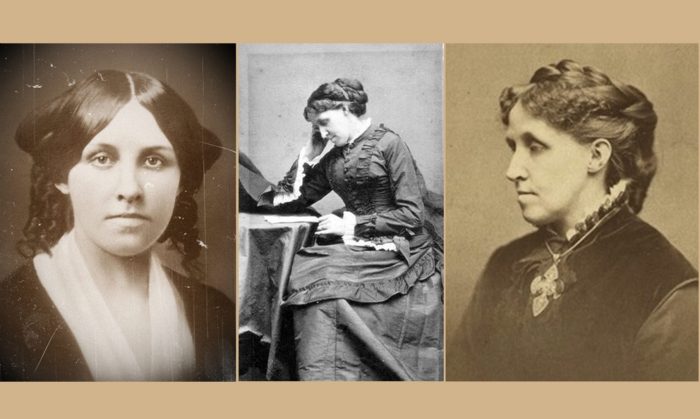
The role of women in the military has undergone a remarkable transformation over the centuries, evolving from auxiliary support roles to full-fledged combat positions in modern armed forces. This evolution reflects broader societal changes and the recognition of women’s capabilities and contributions in defense of their nations. Over time, women have broken barriers, challenged stereotypes, and played crucial roles during significant conflicts, leading to milestones that have shaped military policies and practices.The historical context reveals a gradual but steady integration of women into military roles, often propelled by the demands of wartime.
Initially, women served primarily in support capacities during conflicts, but major wars have acted as catalysts for change, prompting military institutions to rethink their policies on gender roles. Here are some key milestones in the evolution of women’s participation in the military:
Significant Milestones in Women’s Military Service
The history of women in the military is marked by several pivotal events that have significantly altered the perception and roles of women in armed forces. These milestones underscore the growing recognition of women’s capabilities and the necessity of their involvement in military operations.
- World War I (1914-1918): Women began to serve in official capacities, taking on roles such as nurses, clerks, and telephone operators. Their contributions during this war laid the groundwork for future involvement.
- World War II (1939-1945): The enlistment of women escalated dramatically, with organizations like the Women’s Army Corps (WAC) and Women Airforce Service Pilots (WASP) being established, allowing women to serve in more diverse and critical roles.
- Integration into Regular Forces (1970s): The 1970s marked a significant change as women began to be integrated into regular military units, allowing for greater participation in various military specialties.
- Combat Roles (1993-Present): Policies began to shift, allowing women to serve in combat roles. The 2013 decision to lift the ban on women in combat positions marked a critical milestone, recognizing their capabilities in frontline roles.
The impact of major wars on women’s participation in the military cannot be understated. Each conflict has brought about an increase in demand for personnel, leading to a reevaluation of women’s roles in military operations. As societal norms evolved, so did the military’s acceptance of women in diverse roles, paving the way for a more inclusive approach in modern armed forces.
“Women have always contributed to the military, but it took significant conflicts to highlight their essential roles and capabilities.”
Law and Issues Surrounding Women in the Military
The integration of women into the military has been shaped by a variety of legislative actions over the years. These laws have both facilitated and complicated the experiences of women serving in the armed forces. As more women take on roles traditionally held by men, understanding the legal framework and ongoing issues they face is essential in fostering an equitable military environment.Legislation has played a crucial role in influencing women’s integration into military service.
From the Women’s Armed Services Integration Act of 1948, which officially allowed women to serve in the U.S. Armed Forces, to the 2013 decision to lift the ban on women in combat roles, these laws have marked significant milestones. Each legislative change reflects a shift in societal attitudes toward women serving in military capacities. However, despite these advancements, women continue to face numerous challenges regarding equal treatment and opportunities.
Legislation Influencing Women’s Military Service
A complex array of laws has been enacted to address the participation of women in the military. Understanding these pieces of legislation is vital for recognizing their impact on female service members. The following laws are particularly noteworthy:
- Women’s Armed Services Integration Act (1948): This act allowed women to serve in the military in a more formal capacity, paving the way for their involvement in various roles.
- Title IX of the Education Amendments (1972): While primarily focused on education, Title IX has had repercussions in military training programs by prohibiting sex discrimination in federally funded education programs, thereby influencing military academies.
- Defense Authorization Acts (various years): These acts have included provisions aimed at increasing women’s roles in combat, culminating in the 2013 decision to open all military positions to women.
Women in the military continue to encounter significant challenges in achieving equality. Despite the legislative progress made, issues of equal treatment and access to opportunities remain prevalent. Many women report facing barriers in promotion, training, and leadership roles, often fueled by lingering gender biases within military culture.
Challenges Regarding Equal Treatment
The disparities in treatment and opportunities for women serving in the military can be traced to both institutional and cultural factors. A closer look at the challenges they face reveals a persistent gap in equality.
- Promotion and Advancement: Women often find it more difficult to advance in their military careers due to implicit biases and fewer mentorship opportunities compared to their male counterparts.
- Access to Combat Roles: Although combat roles are now open to women, many still face skepticism about their abilities and qualifications, which can hinder their career progression.
- Cultural Barriers: A military culture that has historically been dominated by men can create an unwelcoming environment for female service members, where they may feel pressure to conform to masculine norms.
The issue of sexual harassment and discrimination remains a significant concern in the military. High-profile cases and surveys indicate that many women experience harassment, leading to a toxic environment that undermines their service.
Legal Issues Related to Sexual Harassment and Discrimination
Sexual harassment and discrimination in the military are pressing issues that affect the safety and effectiveness of female service members. Legal actions taken by women have highlighted the systemic nature of these problems.
- Recent Legal Cases: Numerous lawsuits have been filed against the military for failing to protect service members from harassment, emphasizing the need for reforms in reporting and accountability procedures.
- Military Justice Improvement Act: Proposed legislation aims to reform the military justice system to better handle sexual assault cases, moving prosecution out of the chain of command to prevent conflicts of interest.
- Annual Reports and Surveys: The Department of Defense conducts reports on sexual assault in the military, which show that a significant percentage of women experience harassment, drawing attention to the need for effective policy changes.
“The military must create an environment where women feel safe and respected, free from harassment and discrimination.”
Politics and Government Perspectives on Women in the Military
The political landscape surrounding women’s roles in the military has been a contentious issue, with debates often reflecting broader societal views on gender equality and capabilities. As women continue to break barriers in various military roles, discussions in political arenas focus on the implications of these advancements for national security, military effectiveness, and cultural norms within the armed forces.Political debates have centered around the integration of women into combat roles and leadership positions within the military.
Historically, women were largely restricted from frontline combat, based on assumptions regarding their physical capabilities and perceived roles in society. However, recent policy changes have opened many combat positions to women, prompting discussions about the efficacy and necessity of these roles. Critics argue that gender integration in combat may undermine unit cohesion and effectiveness, while supporters assert that women are just as capable as men in these roles, emphasizing the need for equal opportunity regardless of gender.
Government Policies Supporting or Hindering Women’s Military Service
Government policies have evolved to shape the landscape of women’s military service significantly. Legislative actions and military directives have both supported and, at times, hindered women’s participation in the armed forces. The repeal of the Combat Exclusion Policy in 2013 marked a pivotal moment, allowing women to serve in all combat roles. This change was the result of advocacy from various stakeholders who highlighted women’s contributions in prior conflicts, such as their service in roles like pilots, medics, and intelligence officers.However, obstacles remain.
Policies addressing maternity leave, childcare, and accommodations for women serving in the military are areas needing improvement. Inadequate support systems can hinder women’s retention in the military, reflecting a gap between policy and practice. The government continues to face pressure to establish comprehensive policies that acknowledge and address the unique challenges that women in the military encounter.
Influence of Advocacy Groups on Military Policies Regarding Women
Advocacy groups play a crucial role in shaping military policies regarding women’s participation. Organizations such as the Service Women’s Action Network (SWAN) and the Military Women’s Coalition actively campaign for equal rights and improved conditions for women in the armed forces. Their efforts have led to increased visibility of issues like sexual harassment, discrimination, and the need for equitable healthcare services.These groups have successfully lobbied for reforms that address systemic barriers faced by women.
Their advocacy has contributed to legislative changes that promote gender equality within military ranks. Through awareness campaigns, legal action, and collaboration with policymakers, these organizations continue to influence the conversation around women’s roles in the military, ensuring that their voices and experiences are considered in policy-making processes.
End of Discussion
In summary, the journey of Women in the military reflects both progress and ongoing challenges in achieving equality. As we have seen, legislation, societal attitudes, and political debates continue to impact the roles women play in the armed forces. By understanding this trajectory, we can appreciate the resilience of women who have fought not just for their country, but for their rightful place within it.
FAQs
What roles can women serve in the military today?
Are there any restrictions on women serving in combat?
In many countries, including the U.S., women can now serve in combat roles, though some restrictions may still apply depending on specific military policies.
How has women’s participation in the military evolved over the years?
Women’s participation has evolved significantly, moving from support roles during early conflicts to active combat positions and leadership roles in modern military operations.
What challenges do women face in the military?
Women in the military often face challenges such as discrimination, sexual harassment, and the struggle for equal treatment and opportunities compared to their male counterparts.
What impact do advocacy groups have on women’s roles in the military?
Advocacy groups play a crucial role in promoting policies that support women in the military, pushing for legislation that addresses discrimination and enhances integration.