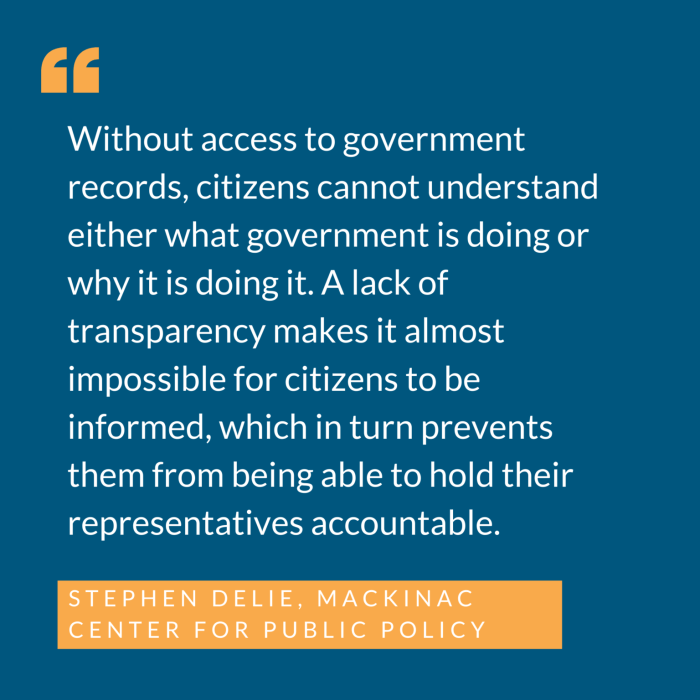
Government transparency initiatives play a pivotal role in fostering a healthy democracy by ensuring that citizens have access to essential information about their government’s actions. They empower individuals to hold public officials accountable and promote a culture of openness that is fundamental to trust in government institutions.
These initiatives often encompass a variety of strategies, including open data platforms, public reporting requirements, and citizen engagement programs. Successful transparency efforts not only enhance public trust but also encourage active participation in political processes, creating a more informed and engaged citizenry.
Government Transparency Initiatives Overview
Government transparency initiatives play a crucial role in fostering democratic governance by promoting accountability, enhancing public trust, and encouraging citizen participation. These initiatives aim to dismantle barriers to information, enabling citizens to scrutinize government actions and decisions. As a result, transparency lays the groundwork for informed civic engagement and empowers citizens to hold their leaders accountable.Successful transparency initiatives typically encompass several key elements that contribute to their effectiveness.
These elements include access to information, proactive disclosure of government data, public engagement in decision-making processes, and robust mechanisms for accountability. Governments must prioritize these components to create an environment where transparency is not only a policy but a fundamental practice embedded in governance.
Notable Government Transparency Initiatives Globally
Governments around the world have implemented various transparency initiatives to uphold democratic values and foster civic engagement. Below is a list of significant initiatives that highlight the global commitment to transparency:
- Open Government Partnership (OGP): Launched in 2011, this international initiative aims to secure concrete commitments from governments to promote transparency, empower citizens, and harness new technologies to strengthen governance.
- Freedom of Information Acts (FOIA): Many countries have enacted FOIA laws that allow citizens to request access to government records, thereby promoting transparency and accountability in public administration.
- Transparency International’s Corruption Perceptions Index: This annual index ranks countries based on perceived levels of public sector corruption, serving as a tool for advocacy and accountability.
- Data.gov: The United States has developed this platform to provide the public with easy access to a wealth of government data, fostering an open data culture and encouraging civic innovation.
- UK’s Transparency Agenda: The UK government has adopted a transparency agenda that includes publishing data on public spending, government contracts, and local government performance metrics.
These initiatives exemplify proactive approaches taken by governments worldwide to enhance transparency and foster a culture of openness, accountability, and citizen engagement.
Impact of Transparency on Public Trust

Transparency initiatives play a crucial role in shaping public trust in government institutions. When citizens have access to clear and comprehensive information about government actions and decision-making processes, it fosters a sense of accountability and responsibility among public officials. This openness not only enhances the legitimacy of institutions but also empowers citizens to engage meaningfully in the political landscape. Transparency serves as a bridge between the government and the public, influencing how citizens perceive their government’s intentions and effectiveness.
Increased transparency can lead to higher levels of public trust, as people feel more informed and less suspicious of government activities. Moreover, it encourages citizen participation in political processes, as individuals are more likely to engage when they understand how decisions are made and can see the rationale behind them.
Correlation Between Transparency Levels and Public Trust Metrics
The relationship between transparency and public trust is evident in various studies across different countries. A table illustrating this correlation can provide valuable insights into how transparency initiatives affect public perceptions of trustworthiness in government. Below is a representation showing transparency levels alongside corresponding public trust metrics from selected countries.
| Country | Transparency Level (Index Score) | Public Trust in Government (%) |
|---|---|---|
| Denmark | 90 | 83 |
| New Zealand | 88 | 79 |
| Canada | 85 | 73 |
| United States | 75 | 50 |
| Brazil | 65 | 40 |
The data demonstrates a clear trend: countries with higher transparency levels tend to have significantly higher public trust metrics. For instance, Denmark and New Zealand, with their robust transparency measures, enjoy trust levels above 80%. In contrast, countries like the United States and Brazil, which have lower transparency indexes, see comparatively modest trust levels. This correlation underlines the importance of transparency as a foundational element in building and maintaining public trust in government institutions.
Legal Frameworks Supporting Transparency
Government transparency is significantly bolstered by robust legal frameworks that establish the rules and obligations for openness and accountability. Such laws ensure that citizens have access to government information, fostering an environment where public trust can flourish. These frameworks serve not only as guidelines for government operations but also as vital safeguards for citizen engagement and oversight.The legal foundation for transparency typically encompasses freedom of information laws, open data initiatives, and public accountability statutes.
Various countries have recognized the importance of these regulations, creating systems that improve governmental operations and enhance civic participation. Effective legal frameworks encourage public scrutiny and provide mechanisms for redress when transparency obligations are not met.
Examples of Successful Legal Frameworks
Several nations have established comprehensive legal frameworks that effectively promote transparency and accountability. Below are notable examples highlighting the strengths and weaknesses of these laws.
| Country | Key Legislation | Strengths | Weaknesses |
|---|---|---|---|
| United States | Freedom of Information Act (FOIA) | Provides broad access to government records. | Exemptions can limit access; lengthy request processes. |
| Sweden | Freedom of the Press Act | Strong right to access public documents; historical commitment to transparency. | Limited enforcement mechanisms; cultural barriers to information sharing. |
| Canada | Access to Information Act | Comprehensive framework for accessing government data. | Exemptions and delays in information release. |
| United Kingdom | Freedom of Information Act 2000 | Empowers citizens to request information; promotes accountability. | Frequent complaints about slow responses; exemptions can restrict access. |
| New Zealand | Official Information Act 1982 | Strong emphasis on openness; proactive disclosure of information. | Challenges in compliance from some government agencies. |
The comparison of these legal frameworks illustrates the varied approaches governments adopt to enhance transparency. Countries like Sweden and New Zealand demonstrate strong commitments to open governance, while others like the United States and Canada face challenges with bureaucracy. These nuances highlight the critical role of not just having laws in place, but ensuring they are effectively implemented and adhered to in practice.
“Effective legal frameworks are essential for fostering a culture of transparency and accountability within government.”
Last Point
In conclusion, government transparency initiatives are vital for cultivating trust and engagement within democratic systems. As we’ve explored, these initiatives not only serve to inform the public but also establish a framework for accountability that benefits society as a whole. Moving forward, the continued evolution of these initiatives will be crucial in responding to the demands of an increasingly informed citizenry.
Top FAQs
What are government transparency initiatives?
Government transparency initiatives are efforts by public institutions to provide access to information about government operations and decision-making processes.
Why is transparency important in government?
Transparency is essential for building public trust, fostering accountability, and encouraging citizen participation in democratic processes.
How do transparency initiatives affect public engagement?
These initiatives enhance public engagement by providing citizens with the information needed to participate actively in political discussions and decision-making.
What role do legal frameworks play in transparency initiatives?
Legal frameworks establish the guidelines and requirements for transparency initiatives, ensuring that governments uphold their commitments to openness and accountability.
Can transparency initiatives lead to better governance?
Yes, by increasing accountability and public trust, transparency initiatives can lead to more effective and responsive governance.